
Most older adults say they would prefer to age in their own homes, and in-home care agencies make that possible by sending trained caregivers to help with daily life. Before comparing agencies, it helps to understand two distinct categories. Companion and personal care, often called non-medical home care, covers help with bathing, dressing, meals, errands, light housekeeping, and companionship. Skilled home health, by contrast, is clinical care such as nursing, wound care, and physical therapy ordered by a physician. Some of the agencies below focus on one category; a few offer both. Here are ten of the best-known in-home care providers in the United States for 2026.

1. Home Instead
Home Instead is one of the largest home care networks in the world, with franchised offices across the US and abroad, now part of the Honor Care Network. It focuses on non-medical companion and personal care, including specialized support for people living with dementia, and is known for caregiver training programs and technology that helps match caregivers to clients. Because each office is locally owned, families should evaluate the specific franchise serving their area. Home Instead’s scale also means it publishes extensive free caregiver education resources, which many families find useful even before hiring anyone.
2. Visiting Angels
Visiting Angels is a large franchise network specializing in companion care, personal care, and respite care that gives family caregivers a break. The brand emphasizes letting families interview and select the caregiver who will serve their loved one, and many offices offer dementia care and end-of-life comfort support. Services and caregiver availability vary by location, as with all franchise systems, so families should ask their local office about scheduling minimums, weekend coverage, and how quickly a replacement caregiver can be arranged when needed.
3. Comfort Keepers
Comfort Keepers is a national non-medical home care franchise known for its Interactive Caregiving philosophy, which encourages caregivers to involve clients in activities rather than simply doing tasks for them. Offices typically provide personal care, companionship, meal preparation, transportation, and safety technology options. The brand has operated since the late 1990s and has a broad US footprint. Many offices also support veterans’ care programs and respite arrangements, and the company’s emphasis on engaging clients mentally and socially, not just physically, is a consistent theme across its locations.
4. Right at Home
Right at Home is a global franchise network offering companion care, personal care, and, in some markets, skilled nursing services depending on state licensing. It is known for building a written, personalized care plan after an in-home assessment and for adult-day and respite support that helps family caregivers. Because some offices are licensed for higher levels of care than others, ask each local office exactly what it can provide. Right at Home’s assessment process, which revisits the care plan as circumstances change, is one of the more structured in the non-medical segment and helps families keep services matched to actual needs over time.
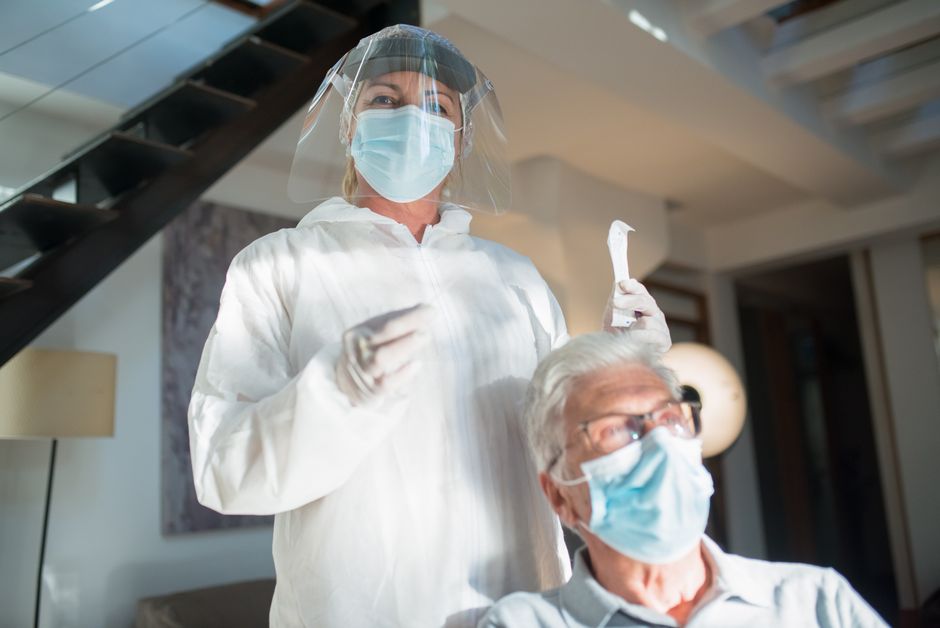
5. BrightStar Care
BrightStar Care stands out among franchises because its offices provide both non-medical personal care and skilled nursing under one roof, with a registered nurse overseeing every client’s plan of care. Many BrightStar locations pursue Joint Commission accreditation, a voluntary clinical quality standard more common in hospitals than home care. This makes BrightStar a frequent choice for families whose needs may progress from companionship to clinical support, since the same agency can add nursing visits without a new provider search.
6. Homewatch CareGivers
Homewatch CareGivers is a long-established international home care franchise offering personal care, companion care, dementia care, and after-surgery support. The brand is known for caregiver training through its own university-style platform and for total care solutions that can pair in-person visits with remote monitoring technology. Its offices serve clients of all ages, not only seniors, which makes the brand a fit for families juggling care needs across generations.
7. Senior Helpers
Senior Helpers is a national franchise focused on senior care, recognized for structured specialty programs including its Senses dementia care approach and a Parkinson’s care program developed with clinical experts. Offices provide companion and personal care, and the company promotes a proprietary assessment tool that scores a client’s home safety and daily-living needs to shape the care plan.

8. Interim HealthCare
Interim HealthCare is one of the oldest home care companies in the US, operating since 1966, and its franchise offices span the full continuum from non-medical personal care to skilled home health, hospice, and healthcare staffing, depending on the location’s licenses. For families who want one organization that can scale from a few hours of companionship to nurse-delivered clinical care, Interim’s breadth is its defining strength.
9. Bayada Home Health Care
Bayada is a large nonprofit-structured home health organization with offices in many states, providing skilled nursing, therapy, pediatric care, and personal care through its habilitation and assistive care practices. Unlike most brands on this list, Bayada offices are company-run rather than franchised, and the organization is known for its published core values, called The Bayada Way, and for clinical depth in serving people with complex medical needs at home. Families dealing with ventilators, feeding tubes, or other intensive requirements often find Bayada’s specialty practices better equipped than general-purpose agencies.
10. Amedisys
Amedisys is one of the largest home health and hospice companies in the country, focused on physician-ordered skilled care such as nursing, physical therapy, and chronic condition management delivered at home. It also operates hospice and palliative care lines. Amedisys is best suited to patients who qualify for skilled home health after an illness, surgery, or hospitalization rather than those seeking ongoing companion care. Because skilled home health is ordered by a physician, referrals typically come through a doctor or hospital discharge planner rather than a family calling directly for hourly help.
How to choose an in-home care agency
First decide which category of care you need, non-medical personal care or physician-ordered skilled home health, because licensing, oversight, and payment sources differ between them. Then interview local offices: ask how caregivers are screened, trained, insured, and supervised, what happens when a caregiver is sick, and how the agency handles changes in a client’s condition. Verify state licensing where required, and ask for references from current or former clients. It is also worth requesting a trial period or short initial schedule so you can see how the caregiver and your family member get along before committing to a long-term arrangement. Pay attention to how responsive the office is during the inquiry stage; an agency that is slow to return calls before you become a client rarely improves afterward. The federal Eldercare Locator can point you to local agencies and aging services, and the government’s long-term care planning site at longtermcare.acl.gov explains home-based service types in plain language.
Final thoughts
National brands bring vetted training programs, insurance, and backup coverage that private hires rarely match, but the caregiver who walks through the door matters more than the logo on the paperwork. Use this 2026 list to identify agencies serving your area, confirm whether you need companion care, skilled care, or both, and meet the local team before signing a service agreement. A good agency will welcome your questions and put its answers in writing.
Disclaimer
This article is for general informational purposes only and is not medical, legal, or financial advice. Services, licensing, and caregiver availability vary by location and change over time. Always verify current services, licensing status, and costs directly with each agency, and consult a qualified professional about care decisions.