
Surveys consistently show that most older adults would prefer to remain in their own homes as they age, and for many families that goal is realistic with thoughtful preparation. Aging in place home modifications are physical changes to a house or apartment that make daily routines easier and reduce common hazards, from grab bars in the bathroom to better lighting on the stairs. This guide walks through the main areas of the home one by one, explains what a professional home assessment involves, and describes how families typically decide where to begin in 2026.

Why home modifications matter
Falls are among the most common reasons older adults lose independence, and many falls happen at home in predictable places: bathrooms, stairways, thresholds, and poorly lit hallways. Homes built for young families often include features that become obstacles later, such as steep entry steps, narrow doorways, slippery tubs, and storage that requires climbing or deep bending. Modifying the environment does not change a person’s health, but it can remove friction from everyday tasks and reduce exposure to known hazards.
Modifications also tend to work best when they are made early, before a crisis. A ramp installed after a hospital stay is helpful, but a zero-step entry planned during a routine renovation is usually less disruptive and better integrated into the home. Many families treat aging in place as a gradual project, starting with inexpensive, high-impact changes and planning larger work over time.
Bathroom modifications
The bathroom is usually the first priority because it combines water, hard surfaces, and movements such as stepping over a tub wall or lowering onto a toilet. Common updates include grab bars installed into wall studs or with rated anchors near the toilet and inside and outside the bathing area, which are far more secure than towel bars ever were intended to be. Curbless or low-threshold showers remove the need to step over a tub wall, and a built-in bench or a sturdy shower chair allows seated bathing. Handheld showerheads on slide bars serve both seated and standing users.
Other frequent changes are comfort-height toilets or raised toilet seats, non-slip flooring or applied anti-slip treatments, lever-style faucet handles that do not require gripping and twisting, and anti-scald valves that limit water temperature. Good lighting, including a night light on a motion sensor, rounds out most bathroom plans. Families often start here because several of these items are modest hardware-store projects, while a full shower conversion is a larger renovation planned with a contractor.
Entrances, steps, and ramps
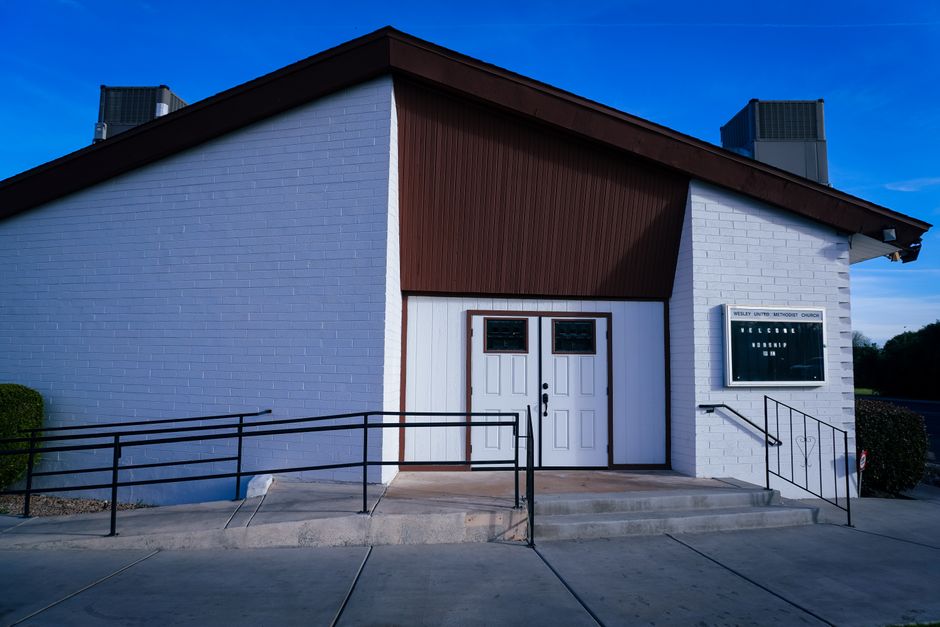
Getting into and out of the house safely is the second common focus. At minimum, every entry benefits from sturdy handrails on both sides of any steps, even a single step, along with slip-resistant surfaces and lighting that clearly shows edges after dark. Where steps become difficult, options range from adding a second railing, to installing a modular or custom ramp, to regrading a walkway into a gently sloped, step-free path.
Ramps follow accessibility guidelines on slope and landings, which is one reason many families involve a contractor familiar with accessibility work rather than improvising. Inside the home, threshold ramps smooth the small lips between rooms, and for multi-story houses, stair lifts or residential elevators are options families sometimes evaluate when bedrooms and bathrooms cannot be relocated to the main floor. Widening a key doorway or installing offset hinges can make room for a walker or wheelchair where hallways allow.
Lighting and flooring throughout the home
Aging eyes need substantially more light to see the same detail, and they adapt more slowly when moving between bright and dark spaces. Practical lighting upgrades include brighter bulbs within fixture ratings, additional fixtures in hallways and stairwells, motion-activated night lights along the path from bedroom to bathroom, and light switches at both ends of stairs and hallways. Reducing glare matters as much as adding brightness, so shades and diffused fixtures are often part of the plan.
Flooring changes focus on removing trip hazards: securing or removing loose area rugs, repairing lifted carpet edges and cracked tiles, tucking away electrical cords, and keeping walking paths clear of clutter. Where floors are replaced, many families choose low-pile carpet or slip-resistant hard flooring and avoid busy patterns that can make edges and steps harder to distinguish. Contrasting stair-edge strips help each step read clearly.
Kitchen and bedroom updates
Kitchens reward changes that reduce reaching, bending, and lifting. Frequently used items can move to shelves between hip and shoulder height, and pull-out shelves or drawers replace deep base cabinets where the budget allows. Lever faucets, good task lighting over counters, front-control cooktops that eliminate reaching over burners, and appliances with automatic shutoff features all appear regularly in aging-in-place kitchen plans. A stable stool or seated work area lets longer tasks be done off the feet.
In the bedroom, the aim is a safe path and an easy transfer in and out of bed. That usually means a bed at an appropriate height, a firm lamp or lighted switch within reach, a phone or voice assistant at the bedside, clear floor space, and a night-lit route to the bathroom. When stairs become the main obstacle in a multi-story home, converting a main-floor room into a bedroom is often simpler than mechanical solutions.
Smart-home aids and simple technology
Technology now supplements physical modifications in many homes. Voice assistants can control lights, thermostats, and locks without walking across a room. Smart doorbells let residents see visitors before opening the door, and smart lighting can be scheduled or triggered by motion so no one navigates a dark hallway. Stove-monitoring devices, water-leak sensors, and smoke and carbon monoxide detectors with long-life batteries address hazards that are easy to overlook.
Medical alert systems and fall-detection wearables are a related category that many families pair with home modifications, since no set of physical changes eliminates every risk. The most useful technology tends to be simple to operate and reliable, so families often trial one or two devices before outfitting an entire home.

Professional assessments: CAPS contractors and OT evaluations
Two kinds of professionals commonly guide larger aging-in-place projects. Certified Aging-in-Place Specialists, or CAPS, are remodelers and other professionals who have completed a National Association of Home Builders program on accessibility-focused design and construction. A CAPS-certified contractor can translate general goals into specific, code-compliant work, from blocking walls for future grab bars to designing a curbless shower that drains properly.
Occupational therapists approach the same question from the person’s side rather than the building’s side. An OT home evaluation observes how someone actually moves through their daily routines, identifies where tasks break down, and produces recommendations matched to that person’s abilities, which may include equipment and techniques as well as construction. Some families obtain an OT evaluation first and then hand the recommendations to a contractor. Physicians can sometimes refer patients for home safety evaluations, and Area Agencies on Aging often know local programs that provide assessments or help with minor repairs.
Cost factors and ways families pay
The cost of aging in place home modifications spans an enormous range because the projects themselves do, from a package of grab bars and night lights to a full bathroom renovation or an elevator. The main cost drivers are the scope of construction, whether plumbing or electrical work is involved, local labor rates, and material choices. Simple safety updates sit at the low end, while structural changes sit at the high end.
Families pay through several mechanisms. Many modifications are paid out of pocket, but some state Medicaid home and community-based services waivers cover certain home modifications for eligible participants, some Area Agencies on Aging and nonprofit programs offer minor home repair or modification help, veterans may qualify for VA home adaptation grants, and some long-term care insurance policies address home modifications. Traditional Medicare generally covers eligible durable medical equipment rather than construction, and any coverage details are best verified directly with the payer. Because programs vary widely by state and eligibility, families typically confirm options locally before committing to major work.
How to start an aging-in-place plan
A practical starting point is a walk-through of the home with fresh eyes, ideally alongside a checklist and the older adult’s own priorities, since modifications work best when the resident wants them. The National Institute on Aging publishes plain-language guidance on aging in place and home safety at nia.nih.gov, and the federal Eldercare Locator at eldercare.acl.gov connects families with local Area Agencies on Aging that can point to home assessment services, repair programs, and funding options in a specific community. From there, most families sequence the work: quick safety items first, then bathroom and entry projects, then larger renovations as needs and budgets allow.
Final thoughts
Aging in place is less a single project than an ongoing adjustment of a home to its owner. The highest-value changes tend to be unglamorous: secure grab bars, a step-free entry, bright even lighting, and clear floors. Professional input from an occupational therapist or a CAPS-certified contractor helps families spend where it matters most, and starting before an urgent need arises makes every later decision easier. With a sensible plan, many older adults can keep living comfortably in the homes they know best.
Disclaimer
This article is for general informational purposes only and is not medical, legal, or financial advice. Home modification needs, building codes, program eligibility, and payment options vary by state, locality, and individual situation and change over time. Always verify current details with licensed contractors, health professionals, and the relevant agencies or providers before making decisions.