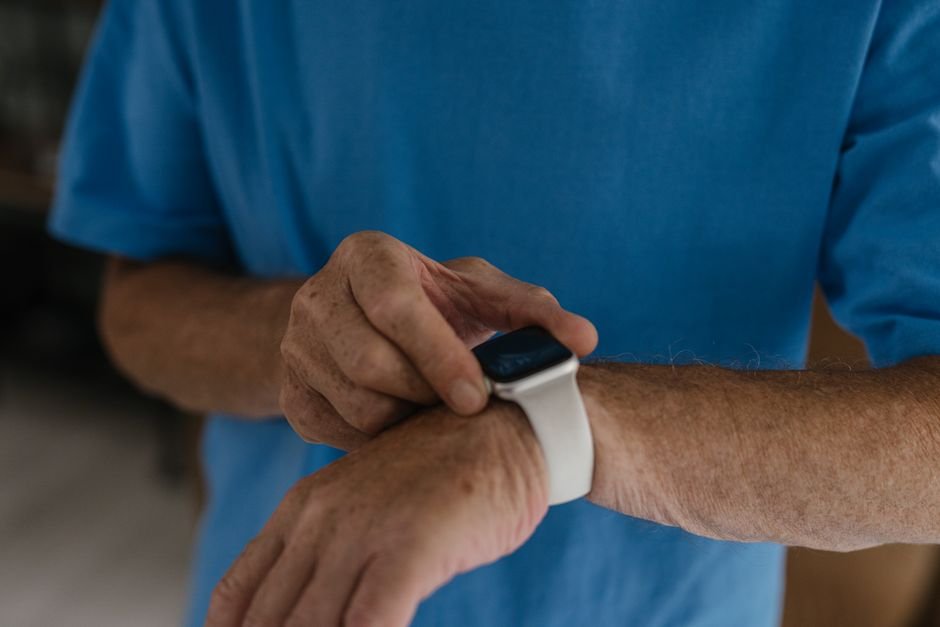
A medical alert system lets an older adult summon help with the press of a button, connecting them to a monitoring center or designated contacts around the clock. Systems come in two broad types: at-home units that use a base station with a wearable button, and on-the-go devices with cellular connections and GPS that work anywhere. Many brands also offer automatic fall detection, caregiver apps, and smartwatch-style wearables. This 2026 guide profiles ten of the best-known medical alert brands in the US and the features each is recognized for, so you can match a device to how and where it will actually be used.
1. Life Alert
Life Alert is arguably the most recognized name in the category, famous for decades of television advertising. It offers in-home systems with wearable pendants and wristbands, a mobile option, and a help button designed for bathrooms, where many falls occur. Life Alert operates its own monitoring centers and typically uses longer-term service agreements than most competitors, which is worth understanding before signing up. The company’s long history and name recognition appeal to many seniors, though its equipment lineup is simpler than some newer rivals, so tech-oriented buyers may want to compare features side by side.
2. Medical Guardian
Medical Guardian offers one of the widest product lineups in the industry, spanning traditional at-home units, cellular home systems, compact mobile GPS devices, and a smartwatch-style wearable. Optional fall detection is available on most devices, and its caregiver platform lets family members see device status and alert history. The brand is frequently cited in independent reviews for its range of modern equipment choices, and its monitoring centers hold industry certifications for redundancy and response standards. Because the lineup is broad, Medical Guardian works well for households comparing an at-home unit for one person and a mobile device for a more active spouse.
3. Bay Alarm Medical
Bay Alarm Medical grew out of a long-established family-owned security company and offers in-home landline and cellular systems, mobile GPS units, an in-car alert device, and bundled packages. Its monitoring is handled by US-based centers, and it supports add-ons such as fall detection, wall buttons, and spouse coverage with additional buttons on the same system. Bay Alarm Medical is often noted for flexible month-to-month service, and its in-car device, which can detect crashes and share vehicle location, is a distinctive option for seniors who still drive.
4. LifeFone
LifeFone has been in the medical alert business since the 1970s and offers at-home systems, combination home-and-mobile packages, and slim wearable options. It is known for detailed emergency care instructions: subscribers file a personalized profile, including medications, physician details, and preferred responders, that agents reference when help is needed. Fall detection and caregiver notification tools are available as options.

5. MobileHelp
MobileHelp specializes in cellular-based systems that do not require a landline, including at-home units, mobile GPS devices, an all-in-one duo package, and a medical alert smartwatch. The company also offers systems designed for two people in one household and a caregiver app with activity tracking. Optional automatic fall detection is available across much of the lineup. MobileHelp equipment is generally sold without long-term contracts, and the duo-style packages appeal to users who want whole-home coverage plus protection on walks and errands from a single account.
6. Lively
Lively, a Best Buy Health brand, takes a technology-forward approach: its urgent response service is built into the Jitterbug line of simplified smartphones and flip phones as well as a mobile alert device. Response agents can loop in nurses, and caregiver features connect family members through an app. Lively suits seniors who want one device that combines phone, alerts, and optional health services, and its retail availability through Best Buy stores makes it easy to see and handle the hardware before buying.
7. ADT Health
ADT, the security company known for home alarm monitoring, applies the same monitoring infrastructure to personal emergency response. Its medical alert lineup includes basic at-home systems and mobile GPS options with optional fall detection. Families who already trust ADT for home security may value having safety monitoring from a single, long-established provider, and the company’s multiple monitoring centers provide backup coverage if one center is disrupted.

8. Aloe Care Health
Aloe Care Health builds a modern smart hub for aging in place: its voice-activated base station lets users call for help hands-free, and sensors can detect motion, air quality, and falls in the bathroom. A companion app keeps family caregivers updated and allows check-in calls through the hub. Aloe Care appeals to families who want a connected-home approach rather than a simple pendant alone, especially adult children coordinating support for a parent from another city.
9. GetSafe
GetSafe focuses on unobtrusive home coverage: instead of relying mainly on a wearable, it places voice-activated wall buttons and pull cords around the home so a resident can call for help even without a pendant on. Systems are sized by the number of rooms, and a mobile GPS option and fall detection are available. It is a fit for seniors who dislike wearing devices or tend to forget them, since coverage stays in place even when nothing is on the wrist or around the neck. Families can still add a pendant for backup, giving the household two independent ways to reach the monitoring center.
10. Medical Alert
Medical Alert, operated by Connect America, is one of the larger personal emergency response providers in the country. It offers straightforward at-home systems in landline and cellular versions plus a mobile GPS unit, with optional fall detection and a caregiver app that shares alerts and device status with family members. Its simple product range makes comparison easy for first-time buyers, and Connect America’s scale, built partly on serving healthcare organizations, gives the brand established monitoring infrastructure behind the consumer-facing service.
How to choose a medical alert system
Match the device to the user’s daily life: a homebound person may do fine with an at-home system, while someone who drives, walks, or travels needs a mobile GPS device. Decide whether automatic fall detection matters, understand that no detection technology catches every fall, and check battery life, water resistance for shower use, and whether the monitoring center is certified and US-based. Read contract terms closely, including trial periods, cancellation rules, and equipment return requirements. Think about the home itself as well: a large house may need extra wall buttons or range-extending equipment, and a home without a landline will need a cellular-based system. Finally, test the response experience during any trial period by pressing the button and timing how quickly a trained agent answers. The National Institute on Aging offers guidance on aging in place safely, and AARP publishes consumer advice on evaluating medical alert options.
Final thoughts
The best medical alert system in 2026 is the one the user will actually wear and can operate without thinking during a stressful moment. Well-known brands like the ten above all offer reliable core functionality; the differences lie in device styles, fall detection, caregiver tools, and contract flexibility. Involve the senior in choosing the device, test it together after setup, and revisit the choice as mobility and daily routines change.
Disclaimer
This article is for general informational purposes only and is not medical, legal, or financial advice. Devices, features, monitoring services, and contract terms vary by provider and change over time. A medical alert system does not prevent falls or medical emergencies. Always verify current equipment, services, and costs directly with providers before purchasing.